
Steadier shots, sharper reporting, calmer live broadcasts
Small classroom sessions and outdoor practice for reporters and camera operators who want to cover stories with more control, from framing and delivery to live coverage planning.

Founded2014
Based in Taunton
Courses for reporters and camera operators in television news
xuplin teaches the practical side of television journalism: field camera technique, on-camera reporting, live coverage planning, broadcast writing and editing, and joint work between reporter and operator. Sessions are small, hands-on and run in Taunton, with a study library for working at your own pace.
Field Camera Techniques
Hands-on classroom and outdoor sessions covering framing, exposure, audio and handheld stability for news shoots.
On-Camera Reporting Skills
Coaching in piece-to-camera delivery, scripting to picture, and staying composed under pressure.
Live Coverage Strategy
Workshops on planning live crosses, working with a crew, and handling breaking-news changes on location.
Newsroom Writing and Editing
Short courses on writing broadcast copy, cutting packages and checking facts before transmission.
Reporter and Operator Teamwork
Joint sessions where reporters and camera operators rehearse shoots together, from interviews to vox pops.
Study Library and Reading Lists
Curated books and guides on broadcast journalism for students working through our programmes at their own pace.
Not sure which course suits your experience? Tell us what you shoot or report on now and we will talk through where to start before anything is agreed.
CoursesWhat a session looks like from the inside
Our courses move between the classroom, the street and the edit suite. These scenes show the kit, the exercises and the settings students work in as they practise each part of a news shoot.
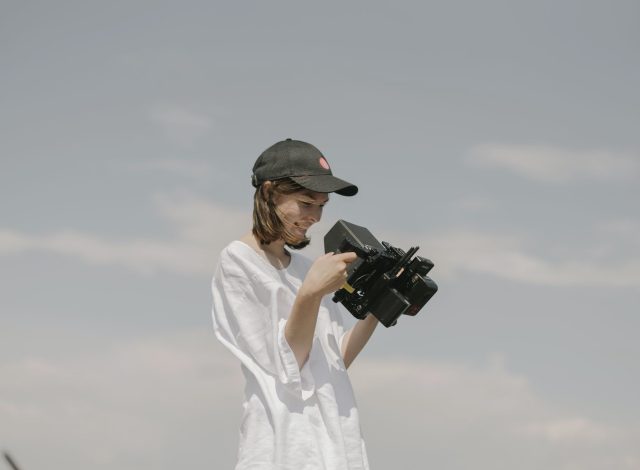
Handheld framing on location
Students practise holding a shoulder-mounted camera steady while following movement, keeping the subject framed and leaving room for graphics and cutaways that an editor will need later.
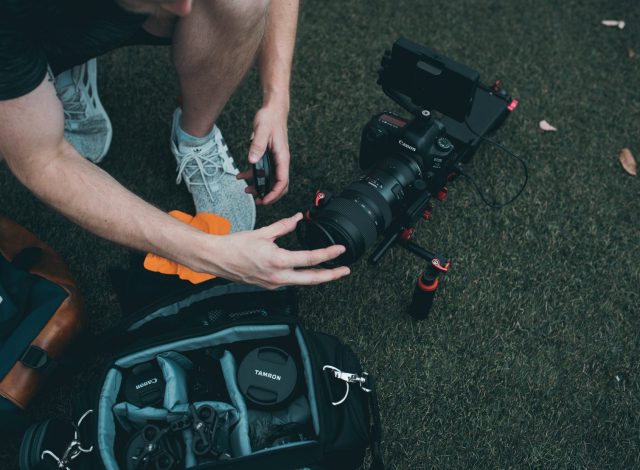
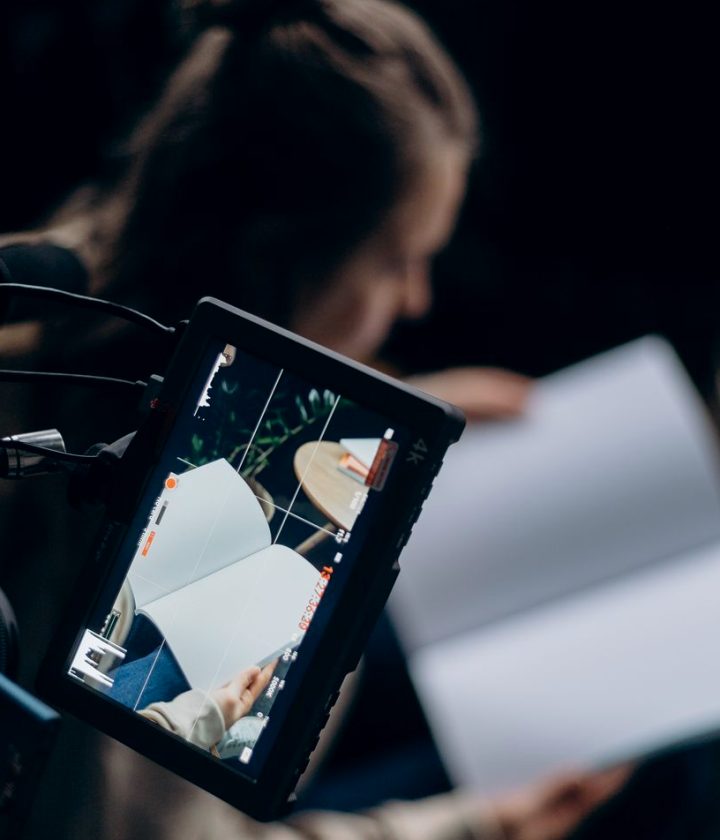
Piece-to-camera rehearsal
Reporters rehearse short pieces to camera, working on pace, eye line and breathing, then review the recording together to tighten the script and settle the delivery.
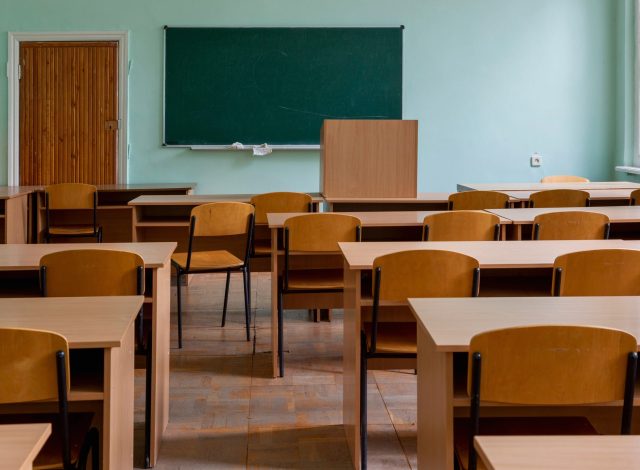
Planning a live cross
A live cross depends on preparation: positions, cues, a backup plan and clear communication with the gallery. Workshops walk through each of these using realistic location scenarios.
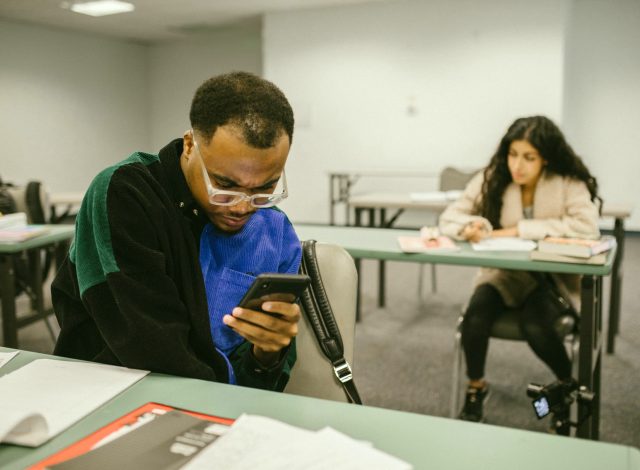
Cutting a package
In the edit suite, students shape a short package from raw footage, matching words to pictures, checking each fact against notes and trimming until the story runs cleanly.
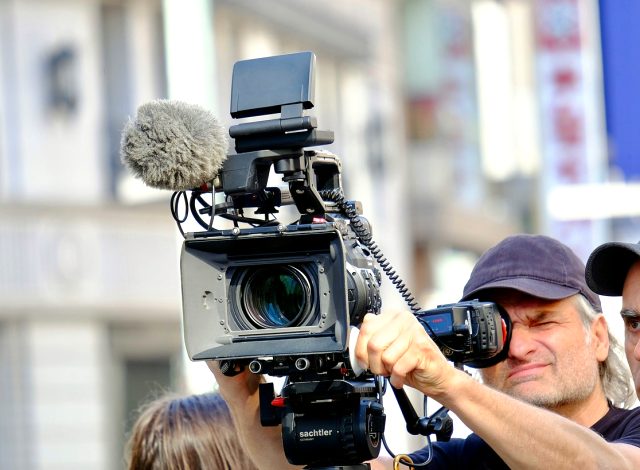
Interview and vox pop practice
Reporters and operators go out together to record street interviews, agreeing shot sizes, audio placement and questions beforehand so both sides know what the finished item needs.
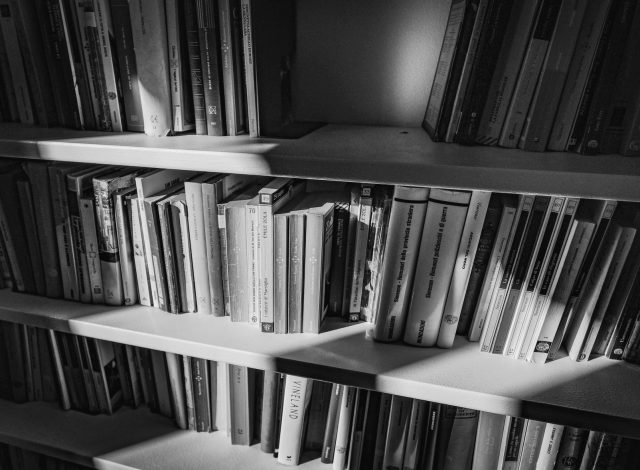
The study library
Shelves of books and guides on broadcast journalism sit alongside reading lists matched to each course, so students can go deeper between sessions at their own pace.
A training hub built around real newsroom practice
xuplin was founded in Taunton in 2014 by a former regional television reporter. Our tutors come from reporting, camera work and news production, and they teach the way a working crew actually operates. Every session ends with something practised, not just discussed.
- 2014Year founded
- 4Specialist tutors
- 6Course areas
How we approach teaching
-
Craft
Good television journalism is a set of skills that improve with careful repetition. We break each skill into small steps, from holding a camera to shaping a sentence, and practise them until they feel natural.
-
Accuracy
A fact wrong on air stays wrong. Students learn to check names, figures and sources before transmission, and to frame shots and words so that they show what actually happened.
-
Practice
Most of each session is spent doing: shooting, presenting, planning and editing. Feedback comes straight after the exercise, while the detail is still fresh for everyone involved.
-
Teamwork
Reporters and operators rarely work alone. We put them together early, so each learns what the other needs on location and how to settle problems quickly under time pressure.
Questions we hear often
Here are short answers to what prospective students ask most. If your question is not covered, the contact page is the quickest way to reach us.
- Do I need professional experience to join a course?
- No. Some students are just starting out and others already work in news. We ask about your background when you enquire, so we can suggest a course that matches your level and the kind of work you do or hope to do.
- Where do the sessions take place?
- Classroom sessions are held at our base in Hammet Street, Taunton. Field exercises take place outdoors in and around the town, and writing and editing work happens in the classroom. We confirm the arrangements for your course in writing.
- Are the classes large?
- No, we keep groups small so every student gets time with the equipment and personal feedback from the tutor. Smaller groups also make it easier to rehearse shoots in pairs and to repeat exercises when something needs work.
- Can reporters and camera operators study together?
- Yes, and we encourage it. Our teamwork sessions are built for reporters and operators to rehearse shoots side by side, from interviews to vox pops, so each side understands the other's decisions and constraints.
- What does the study library offer?
- The library holds curated books and guides on broadcast journalism, with reading lists linked to our courses. Students use it between sessions to deepen what they have practised, working at a pace that suits their own schedule.
- How do I enrol on a course?
- Send an enquiry through the contact page. We reply with the details and, once the course is agreed, a written quotation or confirmation. An invoice follows, payable by bank transfer. Nothing is bought through the website itself.
- Can I bring my own camera?
- You are welcome to say what you use when you enquire. Tutors can then tell you whether it suits the exercises on your course and what equipment is provided, so that you are clear about this before you confirm.
- What happens if I need to cancel?
- Cancellations and refunds follow our payment and refund policy, which sets out the position in plain terms. If your circumstances change, tell us as early as you can and we will explain what applies to your booking.
Talk to us about the right course
Tell us about your experience and what you would like to improve, and we will suggest where to begin. Use the contact page to send an enquiry.
Get in touch
By email: hello@xuplin.com