
A Checklist Before You Book Reporter and Operator Teamwork Sessions
Joint rehearsal sessions suit some reporters and camera operators better than others. Work through these questions on your skills, your partner and your goals before you commit.
Priya Nair · · 6 minutes to read
Start with what is going wrong on shoots
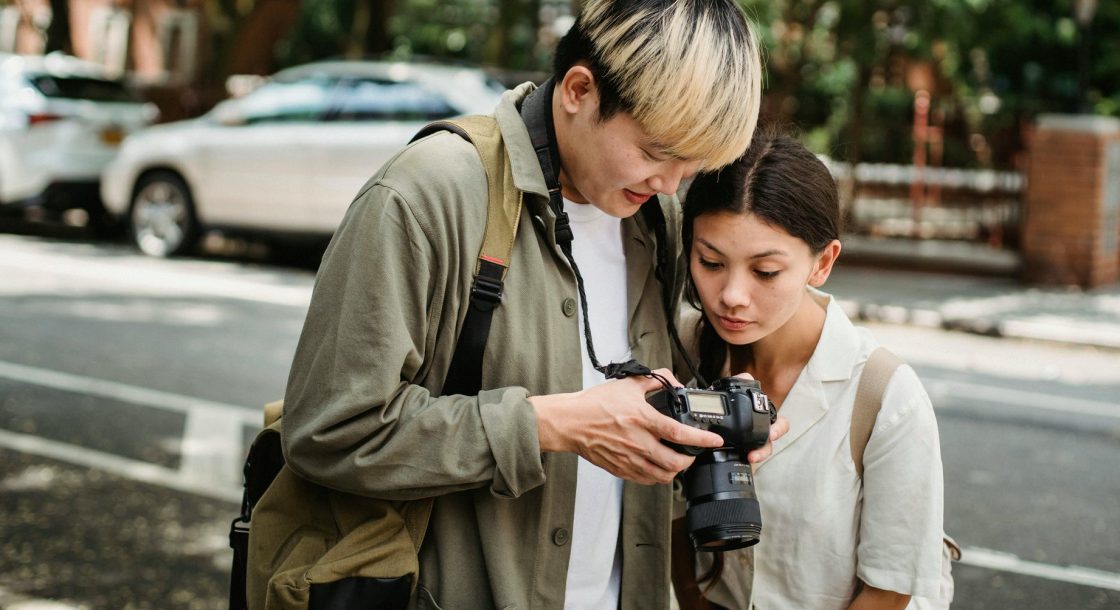
Before choosing any course, write down what actually happens when you and your camera partner work together. Teamwork sessions are not a general refresher; they exist to fix friction between two people who share one story. Think back over the last handful of shoots. Did the reporter finish a piece to camera only to learn the audio was thin? Did the operator find out about a change of plan when the reporter was already walking away? Did an interview run long because nobody agreed in advance what the shot would be?
Be specific, because vague complaints produce vague training. A note such as 'we rushed the vox pops and half the answers were unusable' is something a tutor can build a rehearsal around. A note such as 'we need to communicate better' is not. Ask your partner to write their own list separately, then compare. The overlap tends to show where the real problem sits, and the differences often show what each of you has been assuming about the other's job.
- List three recent shoots and one thing that slowed each
- Ask your partner for their own list before comparing
- Separate technical faults from planning faults
Decide whether you are coming alone or as a pair
The sessions rehearse shoots with a reporter and an operator working side by side, so the first practical question is who will be in the room. If you already work with a regular partner, booking together means the habits you correct are the ones you really have. If you are a student or freelancer without a fixed partner, you can still benefit, because rehearsing with someone new teaches you to set out your expectations quickly, which is a skill any assignment will ask of you.
Think honestly about the mix. A reporter who has never held a camera will see the operator's constraints in a way no lecture delivers, and an operator who has never written to picture will understand why a reporter keeps asking for one more cutaway. If you cannot bring a partner, contact Tom Ashworth, our student coordinator, and ask how pairings are handled, rather than assuming either way.
- Confirm whether you have a regular partner to bring
- Ask about pairing if you are coming alone
- Note each person's weaker side of the job
Check which formats you need to rehearse
The sessions cover a range of shoot types, from sit-down interviews to vox pops on a busy pavement. These place very different demands on a pair. An interview rewards patience: agreeing the set-up, the eye line and the first question so that the operator can settle the frame. A vox pop rewards speed and a shared routine for approaching people, asking the same question and moving on without losing the light or the sound.
Look at the work you expect to do over the next few months and match it to the formats. If your assignments are mostly short street items, spending the time on formal interview lighting would be a poor use of it. If you are building towards longer features, the opposite applies. Tell the tutors which formats matter most so the rehearsals reflect your real schedule rather than a generic menu.
- Rank interviews, vox pops and walk-and-talk by how often you shoot them
- Name any format that has gone badly before
- Share your likely assignments with the tutors
Be realistic about your starting level
Joint sessions work best when each person already has a basic grasp of their own craft. A reporter who is still learning to structure a piece to camera, or an operator who is not yet confident with exposure and handheld stability, may gain more from the individual courses first, such as the field camera or on-camera reporting programmes. There is no shame in that order; it simply makes the later rehearsals more productive because neither person is fighting basic technique.
Equally, do not wait for perfection. Working journalists book joint sessions precisely because they are competent and want smoother cooperation. A reasonable test is whether you can complete a simple shoot unaided without a major technical failure. If you can, you are probably ready. If you are unsure, ask for a short conversation with a tutor before you decide, and describe the last piece you made as plainly as you can.
- Test yourself on one simple unaided shoot
- Consider the individual courses if basics are shaky
- Ask for a conversation if you cannot decide
Think about time, place and preparation
Rehearsals mean practical work, so check that you can give the sessions your full attention. Look at the timetable, count the travel to Taunton, and consider whether you can bring your usual kit or whether you will use what is provided. Familiar equipment lets you practise your real routine; unfamiliar equipment tests how quickly you adapt. Either is useful, but you should know which you are choosing before you arrive.
Preparation also helps. Bring a recent piece of work, even a rough one, and any notes on what you want to improve. If you have a real upcoming assignment, mention it, because rehearsing something close to it gives the sessions a purpose beyond the classroom. Priya Nair and the other tutors can only shape the practice around what you tell them, so a few lines written in advance save time on the day.
- Check dates and travel against your commitments
- Decide whether to bring your own kit
- Bring one recent piece and a short list of goals
Weigh the cost and the commitment
Finally, look at the price and what it includes before you commit. The prices page sets out what each course costs, what is covered and what can change the figure, and ordering starts with an enquiry through the contact page, then a written quotation or confirmation, then an invoice paid by bank transfer. Read the payment and refund policy so you know how cancellations are handled before you agree to anything.
Then ask yourself whether the time fits. Joint rehearsal rewards regular practice, not a single burst, and the benefit grows when you and your partner carry the routines back to real shoots. If you can put the habits into use soon afterwards, the sessions are likely to be worth it. If your diary is about to fill up, it may be better to wait for a calmer stretch.
- Read the prices page and the refund policy first
- Remember the order: enquiry, quotation, invoice
- Choose a time when you can practise afterwards
If most of these questions have clear answers, you are probably ready to talk to us. Write down your recent problems, decide who will come, name the formats that matter and check the dates and costs. Then send an enquiry through the contact page, describe your situation plainly, and we will reply with a written quotation. Choosing well beforehand makes the sessions far more useful once you are rehearsing in the room.
Get in touch
By email: hello@xuplin.com