
Courses for TV journalists
Six strands of teaching for reporters and camera operators, from handheld technique and piece-to-camera delivery to live coverage planning and broadcast writing.
Six strands of practical television journalism training
Each strand is taught in small classroom sessions with practical exercises, and most mix indoor study with work outside. Field camera technique, on-camera reporting, live coverage, newsroom writing, joint reporter and operator sessions and a study library cover the craft from both sides of the lens.
Field Camera Techniques
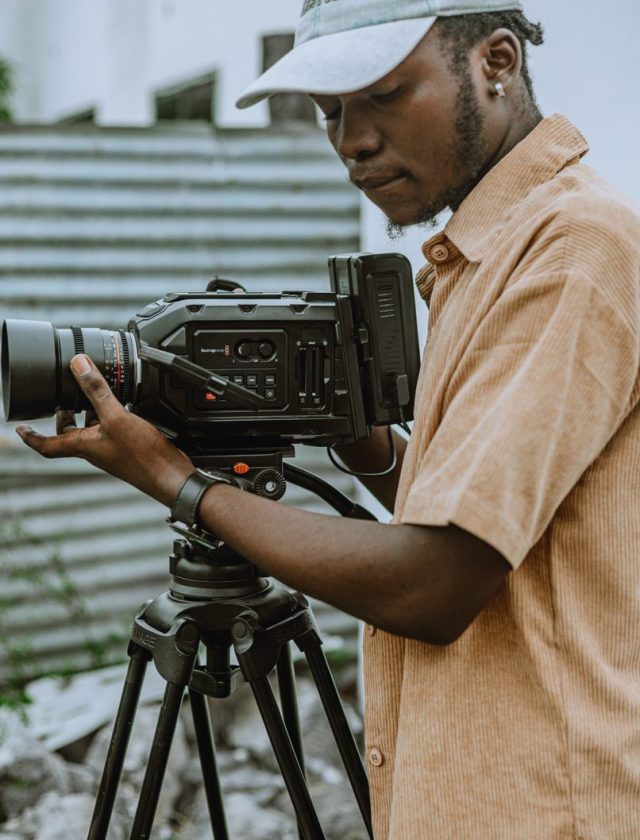
Hands-on classroom and outdoor sessions covering framing, exposure, audio and handheld stability for news shoots.
On-Camera Reporting Skills
Coaching in piece-to-camera delivery, scripting to picture, and staying composed under pressure.
Live Coverage Strategy
Workshops on planning live crosses, working with a crew, and handling breaking-news changes on location.
Newsroom Writing and Editing
Short courses on writing broadcast copy, cutting packages and checking facts before transmission.
Reporter and Operator Teamwork
Joint sessions where reporters and camera operators rehearse shoots together, from interviews to vox pops.
Study Library and Reading Lists
Curated books and guides on broadcast journalism for students working through our programmes at their own pace.
Not sure which strand fits? Tell us what you shoot or report on now and Tom Ashworth will suggest a sensible starting point and order.
ContactHow it works
From first enquiry to your first session
Enrolling is a short conversation, not a sign-up form. You write to us, we talk through your experience and goals, and you receive everything in writing before any payment is made. Nothing is bought on the website itself.
-
Send an enquiry
Use the contact page to tell us who you are, what you currently shoot or report on, and which course interests you. A short note is enough, and Tom replies to help you narrow the choice.
What you leave with
A named contact and a first reply from the student coordinator.
-
Talk through your goals
We discuss your background, the equipment you already use and what you want to improve. If two courses overlap, we explain how they differ so you pick the one that suits your current work.
What you leave with
A recommended course, or a short sequence of courses, for your situation.
-
Receive a written quotation
We send a quotation or confirmation that sets out the course, what the price includes and anything that would change it. You can read it at your own pace and ask questions before agreeing.
What you leave with
A written quotation stating the course, its content and its price in pounds.
-
Pay by invoice
Once you accept, we issue an invoice and you pay by bank transfer. Cancellations and refunds follow the payment and refund policy, which you can read before you commit.
What you leave with
A paid invoice and a confirmed place on the course.
-
Attend and practise
You receive your timetable and any preparation notes, then join the sessions at our Taunton classroom and outdoor locations. Exercises are practical, and tutors give feedback on your own footage and delivery.
What you leave with
Timetable, joining details and feedback from your tutor on your own work.
What to bring and what to expect
You do not need a full kit or a polished showreel. A few practical things help your tutor work with you from the first session.
Your own kit, if you have it
Bring the camera, tripod or microphone you use now so tutors can show you improvements on familiar equipment. If you have none, tell us in advance.
Recent footage or scripts
A short clip or a draft script lets your tutor see where you are today. It need not be broadcast quality, only honest.
Small groups
Sessions are run in small classes, so each student gets time with the tutor and chances to try every exercise themselves.
Time for practice
Exercises continue between sessions, so allow time to shoot, write or rehearse. Your tutor will set clear, modest tasks.
Outdoor sessions
Field work happens outside whatever the weather, so dress for it and bring something to carry your gear.
Reading at your own pace
The study library and reading lists back up each course. You can work through them alongside sessions or after them.
Get in touch
By email: hello@xuplin.com