
Joint Rehearsal or Separate Practice: Which Suits Reporter and Operator Pairs?
A comparison of rehearsing shoots together against training reporters and operators apart, with a clear recommendation for pairs preparing for interviews and vox pops.
Priya Nair · · 6 minutes to read
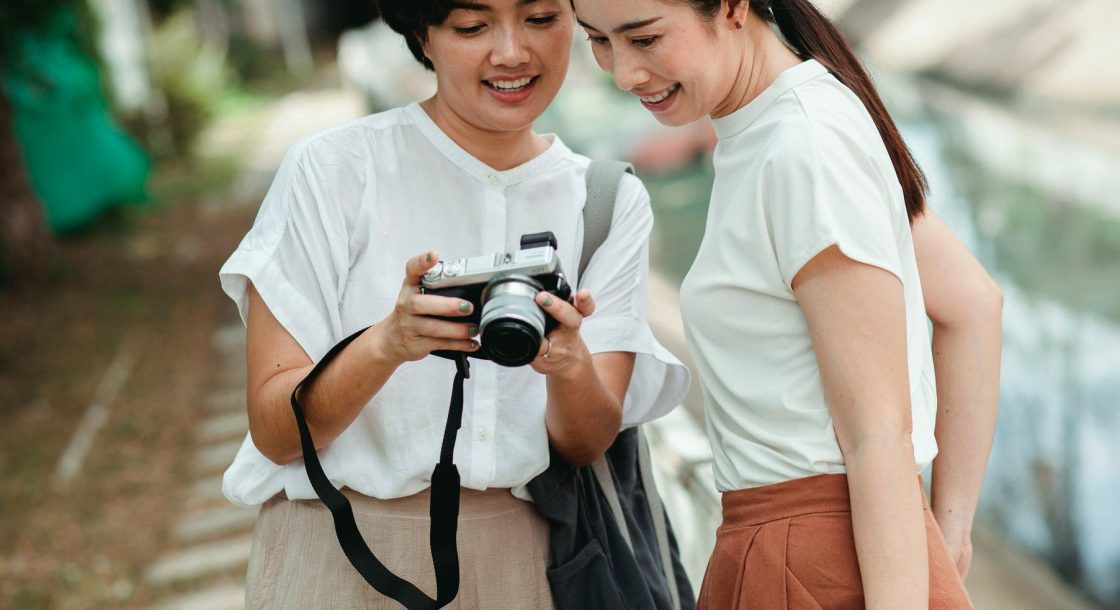
Two ways to prepare a pair
When reporters and camera operators ask how best to get ready for working together, the answer usually narrows to two options. The first is separate practice: the reporter works on delivery and scripting with a tutor, while the operator works on framing, exposure and handheld stability in a different room or field. The second is joint rehearsal, where both sit in the same session and run a shoot as a pair, from the first question of an interview to the last frame of a vox pop.
Both options have honest merit. Separate practice lets each person go deep on their own craft without waiting for the other, and it suits the early weeks when basic skills are still shaky. Joint rehearsal exposes the habits that only appear between two people: who decides where to stand, who calls the take, who notices the dropped audio. This article weighs the two against each other and ends with a recommendation, based on what we see in the classroom at Hammet Street.
What separate practice does well
Working alone, a reporter can repeat a piece to camera ten times in a row without anyone's patience wearing thin. An operator can walk the same corridor with a shoulder-mounted camera until the picture stops swaying. That repetition builds the raw skill, and it is hard to get when a partner is waiting for their turn. Separate practice is also easier to timetable, since the two people need not be free on the same afternoon.
It also protects confidence. A nervous reporter who stumbles in front of a colleague can lose the thread for the rest of the session. A new operator who misses focus while a reporter is mid-sentence may feel they have wasted someone's time. Practising apart removes that audience, and for the first few sessions that is often the kindest and most productive arrangement for both people.
- Unlimited repetition of one skill
- Easier to fit around different timetables
- Less pressure while basics are still forming
Where separate practice falls short
The trouble is that a news shoot is rarely a solo performance. A reporter who has polished a piece to camera in an empty room may find on location that the operator has framed them with a bright window behind, or that the agreed position leaves no room for the walk-and-talk they planned. None of that shows up when each person trains alone, because the other half of the problem is missing.
Interviews expose the gap fastest. The reporter listens and thinks of the next question, while the operator needs a cutaway, a change of angle or a moment of quiet to fix audio. Without rehearsing together, neither knows how to signal the other without breaking the flow. Pairs who have only practised apart tend to spend their first real shoot negotiating basics that a single joint session would have settled in minutes.
What joint rehearsal adds
In a joint session the pair works through a full sequence: agree the plan on the spot, set up, shoot an interview, move to a vox pop and review the footage together. Mistakes surface immediately and cheaply. A reporter learns that a long final question leaves the operator no time to reframe; an operator learns that the reporter walks faster than the camera can follow. Each hears the other's reasoning in plain words, which is far more useful than a tutor's general advice.
Joint rehearsal also teaches the small rituals of a working crew: a nod to start, a hand signal to hold, a quick check of sound before the real take. These habits are dull to describe and hard to invent under pressure on location. After a handful of sessions most pairs find that they stop talking about the process and simply get on with the story.
- Roles and positions agreed before the camera rolls
- Signals for starting, holding and reframing
- Immediate feedback from the person who saw the shot
The costs of rehearsing together
Joint rehearsal is not free of drawbacks. It needs two people available at once, and a session with a pair takes more tutor attention than one with an individual. If one partner is clearly weaker, the other may feel held back, and the weaker one may feel watched. A pair who rehearse together before either has any technique can spend the hour tangled in basics and learn less than they would have alone.
There is also the matter of fit. Two people who find each other difficult will not be cured by a rehearsal; they may simply have the disagreement in front of a tutor. We do not treat that as a reason to avoid joint work, but as something to be aware of when choosing partners. Sometimes the useful discovery is that two people need a different pairing, and it is better to learn that in a classroom than on a live shoot.
Our recommendation
Our advice is to combine the two, in order. Spend the first sessions practising separately until the reporter can deliver a clean piece to camera and the operator can hold a steady, well-exposed shot. Then move to joint rehearsal and stay there, because that is where the work of a real crew is learned. A pair with the basics in place gets far more from a joint session than one without them.
If you can only choose one, choose joint rehearsal, provided each person has a little experience behind them. The skills of delivery and framing can be topped up later, but the habits between two people take repeated practice together. Our Reporter and Operator Teamwork sessions follow exactly this pattern, and Tom Ashworth can help you decide whether to start with solo work or go straight to a joint session.
- Start apart if either person is new to the kit or the microphone
- Move to paired rehearsal once the basics hold
- Choose paired rehearsal first if only one option fits
Separate practice builds the individual skills, and joint rehearsal builds the working relationship that a television shoot depends on. For most reporter and operator pairs, a short stretch of solo work followed by regular paired sessions gives the best result. If you are unsure where to begin, talk to us through the contact page and we will suggest a sensible starting point.
Get in touch
By email: hello@xuplin.com