
A Wet Evening Live Cross: What Sam Learned Planning It
Sam came to a live coverage workshop after a shaky first cross from a flooded car park. This is how he planned the next one, and what changed on location.
Daniel Pryce · · 5 minutes to read
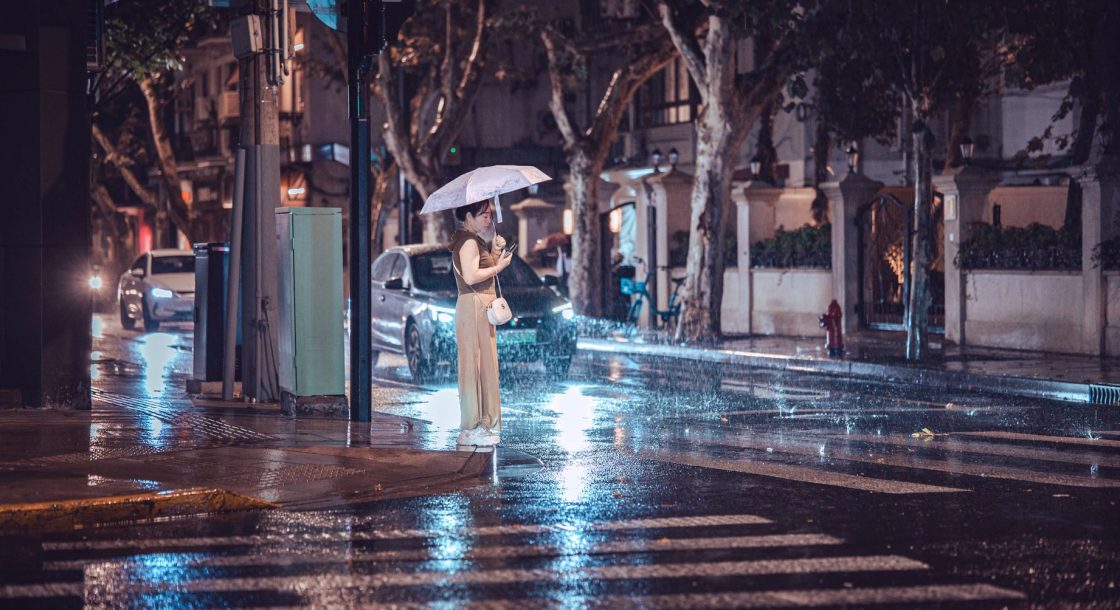
Sam and the car park cross
Sam joined one of our live coverage workshops in the middle of the autumn term. He reports for a small regional outlet and had recently done his first live cross from a flooded car park on the edge of town. By his own account it went badly: he lost his opening line when the producer's voice came into his ear, the light faded halfway through, and nobody had agreed what he would say if the water rose.
He did not arrive asking to be rescued from the experience. He wanted a method he could carry to the next one. That is the right way to come to this subject, because live work is rarely made better by talent alone. It is made better by a plan that survives the first thing going wrong.
I taught his group, so what follows is my account of how Sam worked through the material, with his agreement to share it using his first name only.
Building the plan before leaving the building
We started on paper. Sam wrote down the single sentence the cross had to deliver, then the two facts that supported it, and then what he would do if either fact changed before he went on air. Most reporters write the script first and the contingencies never. We reversed that order on purpose.
Next came the location. He sketched where the camera operator would stand, where the light would be at the planned time, and where the nearest cover was. We talked about sightlines, power, signal and the simple question of whether the background helped the story or merely sat behind it.
By the end of that session Sam had a one-page running plan with times, cues and a fallback position. It was not elegant, but he could read it at a glance with cold hands, which is the test that matters.
- One sentence the cross must deliver
- Two supporting facts, each with a back-up
- Camera position, light and cover marked on a sketch
- A fallback position agreed with the crew
Rehearsing with a crew, not alone
The second half of the workshop was practical. Sam was paired with a camera operator from another course and they walked a mock cross in the yard behind our building. The first run fell apart over something small: he moved forward on his last sentence and the operator had no warning of it.
They agreed a hand signal and a spoken cue, ran it again, and the cross held together. That exchange is the heart of what we teach under live coverage. The reporter and the operator are one unit on location, and the unit works only if each knows what the other will do next.
We also practised receiving an instruction in the ear while speaking. It feels unnatural at first. The trick is to let the instruction land, finish your sentence, and then act on it, rather than trying to do both at once.
When the story changed on location
A few weeks later Sam sent me a short note. He had been sent to cover a road closure after a lorry shed its load, and ten minutes before his slot the police moved the cordon back, which put his planned background behind tape.
Because he had a fallback marked on his page, he did not stand in the road debating it. He told the operator the new position, the operator reframed, and Sam reworked his opening line to include the cordon change, which was now the freshest fact. He said the cross felt calm, which is not a word he would have used a month earlier.
I mention this not as a triumph but as an ordinary example of the method working. Nothing about it needed bravado, only preparation that anticipated change.
What he took away, and what he still finds hard
Sam is candid that live work still makes him nervous, and I would be wary of anyone who claimed otherwise. What changed is that the nerves now have somewhere to go. He checks the plan, speaks to the operator, confirms the cue, and then trusts the preparation.
He also still struggles with the ear instruction when the producer talks over him. That is common, and we keep working on it in the sessions rather than pretending it is solved. Progress in this area is gradual and depends on repetition under realistic conditions.
If you recognise yourself in the first half of his story, the useful move is not to wait for a calmer assignment. It is to build the plan, rehearse it with someone who will operate for you, and learn what your own habits do when the unexpected arrives.
- Write the contingency before the script
- Agree cues with the operator out loud
- Rehearse receiving an ear instruction
- Review each cross afterwards, briefly and honestly
A note for the coming weeks
Autumn brings early dusk, wet pavements and weather that changes within the hour, which makes it a testing season for live work. Light fades sooner than most schedules allow for, and exposed locations get cold quickly, so hands and voices tire sooner than expected.
Build extra margin into your timings and check sunset against your slot. Keep spare batteries warm and agree a covered fallback with your operator before you leave. These are small habits, but they are the ones Sam now repeats without being asked.
If you want to work through a live cross of your own, bring the location and the story to a workshop and we will plan it together.
Sam's story is not about a dramatic rescue. It is about a reporter who replaced improvisation with a one-page plan, rehearsed it with a crew, and kept his composure when the cordon moved. Live coverage rewards that kind of ordinary preparation. If your last cross felt shaky, treat it as information rather than a verdict, and use it to decide what the next plan should cover.
Get in touch
By email: hello@xuplin.com